

Artemis Fine Arts and Arte Primitivo’s debut collaborative auction was a huge success, totaling nearly $1.5 million
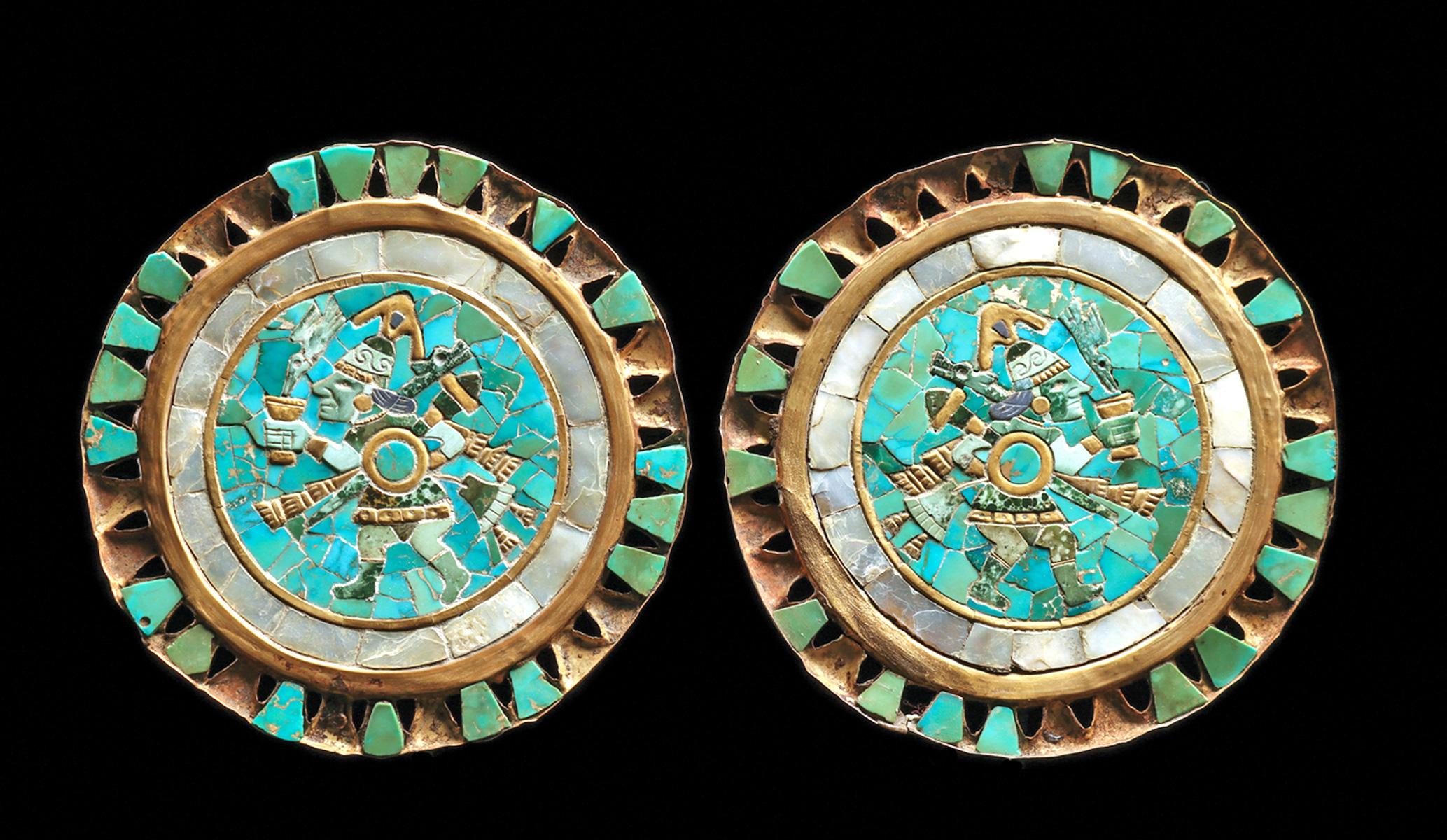
Exquisite pair of Royal Moche ear ornaments with gold frames, circa 100-300 A.D., with colorful tessarae inlays of gold, turquoise, Chilean lapis, nephrite, jadeite and mother-of-pearl. Sold for $82,500
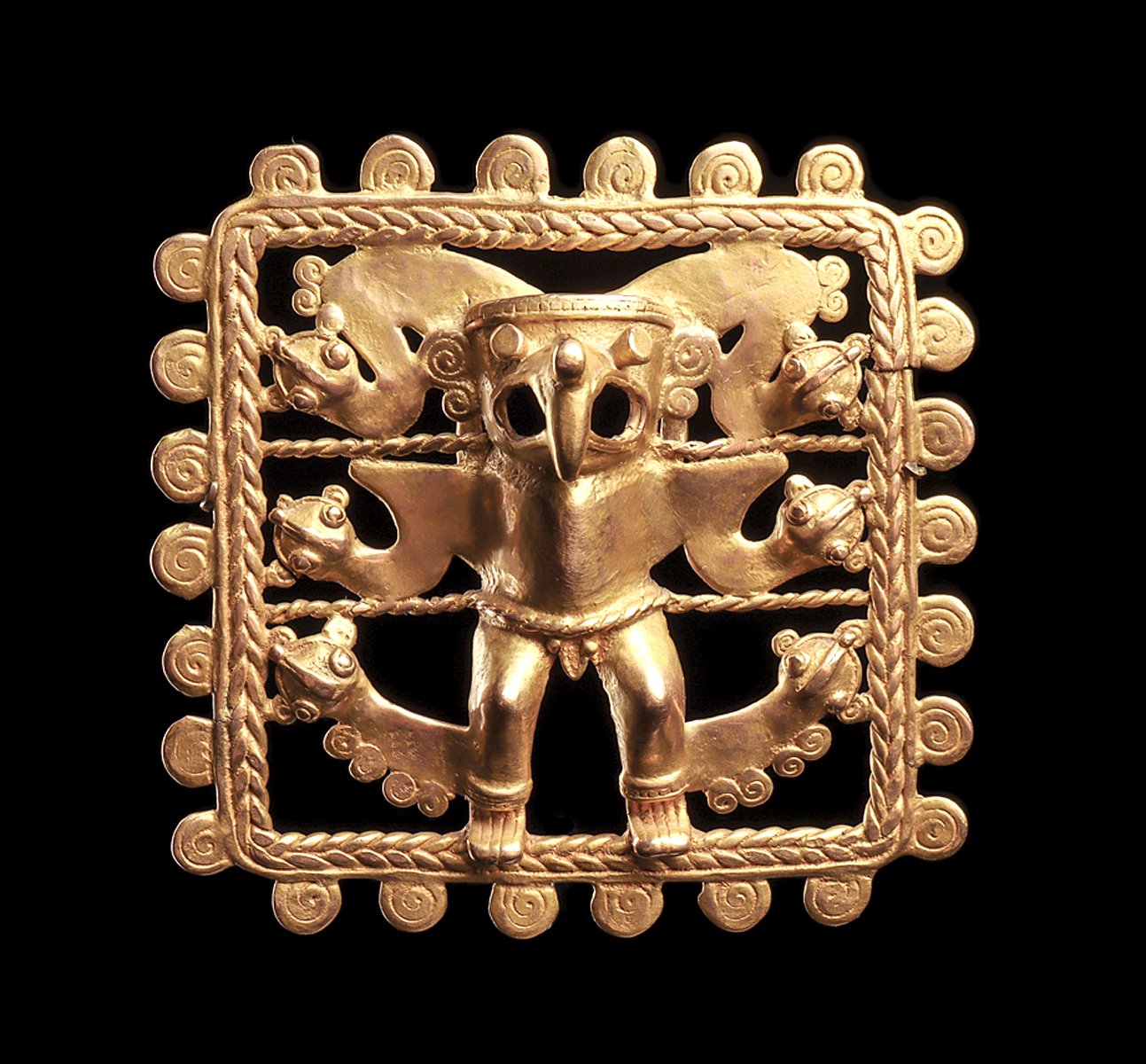
Fine openwork Veraguas-Diquis gold pendant depicting a large central deity having a human body with a long openwork bird-of-prey hooked beak, wearing a fancy double-plumed headdress. Sold for $30,550
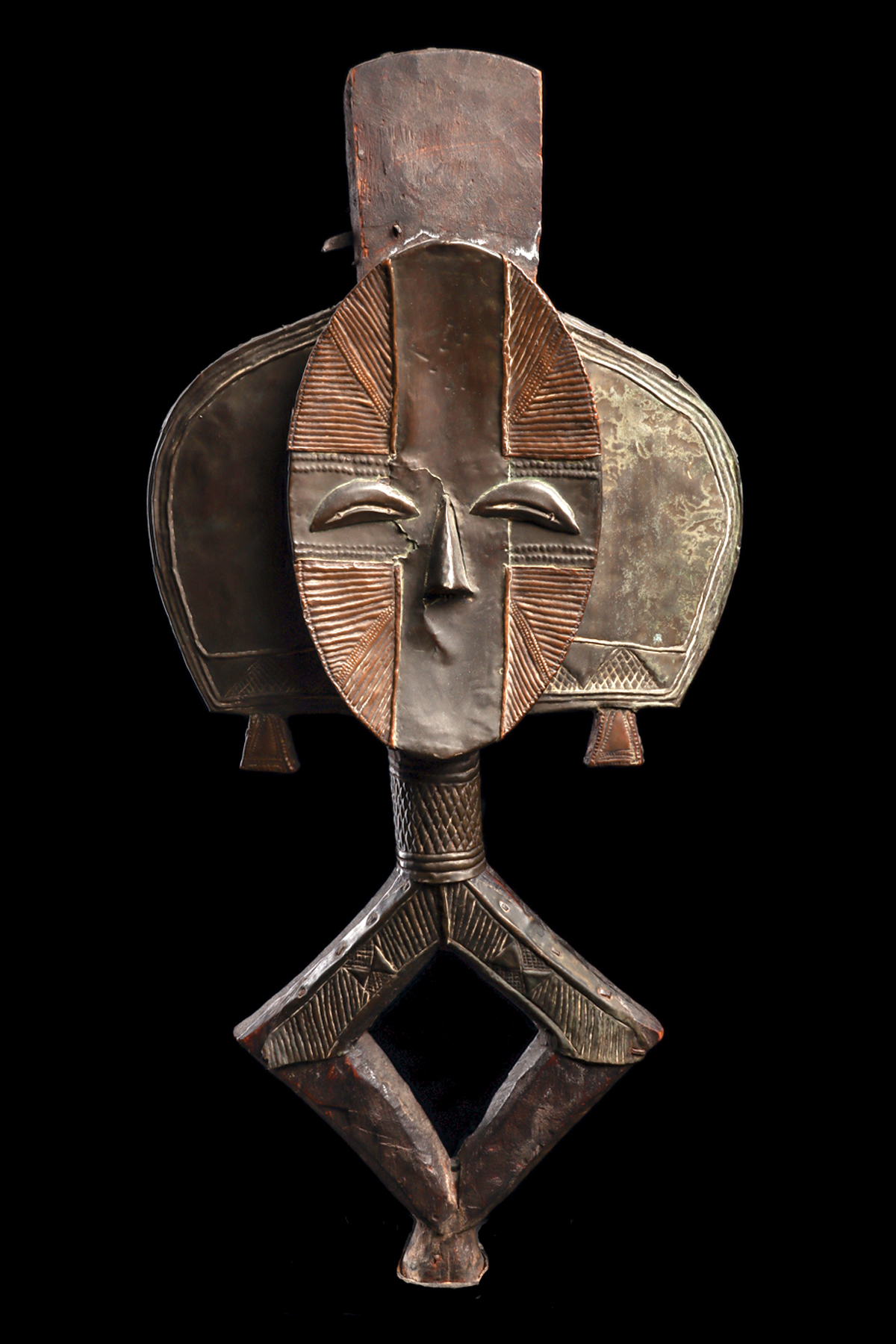
Bakota “Ngulu” (or reliquary garden figure) of abstract figural form, carved from wood with a slender concave face covered with hammered brass alloy sheets in cruciform background. Sold for $7,800
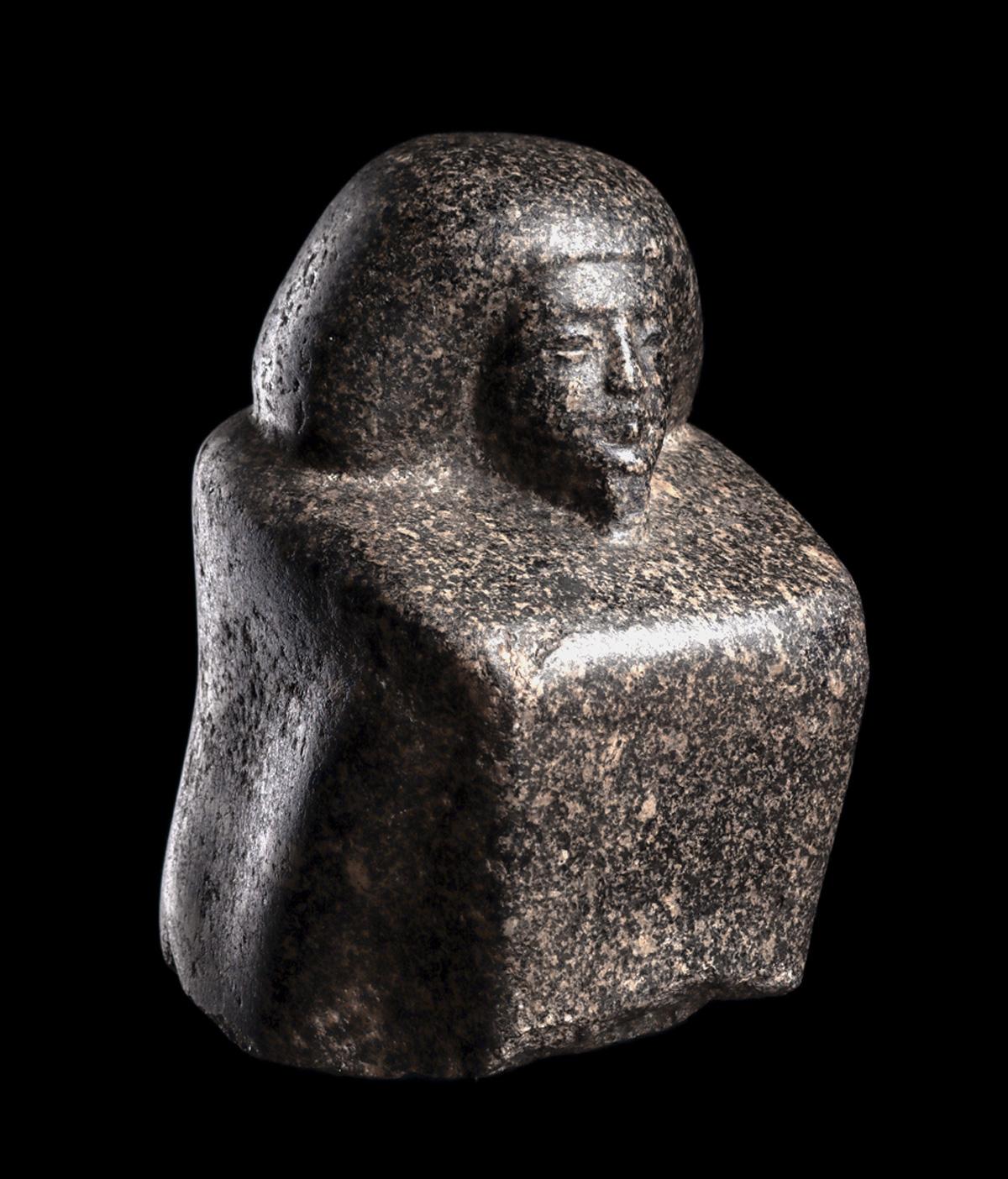
Egyptian New Kingdom to Late Dynasty carved black granite block figure, circa 1550-736 B.C., 8 inches tall, depicting a squatting figure with arms resting on his drawn-up knees. Sold for $10,000
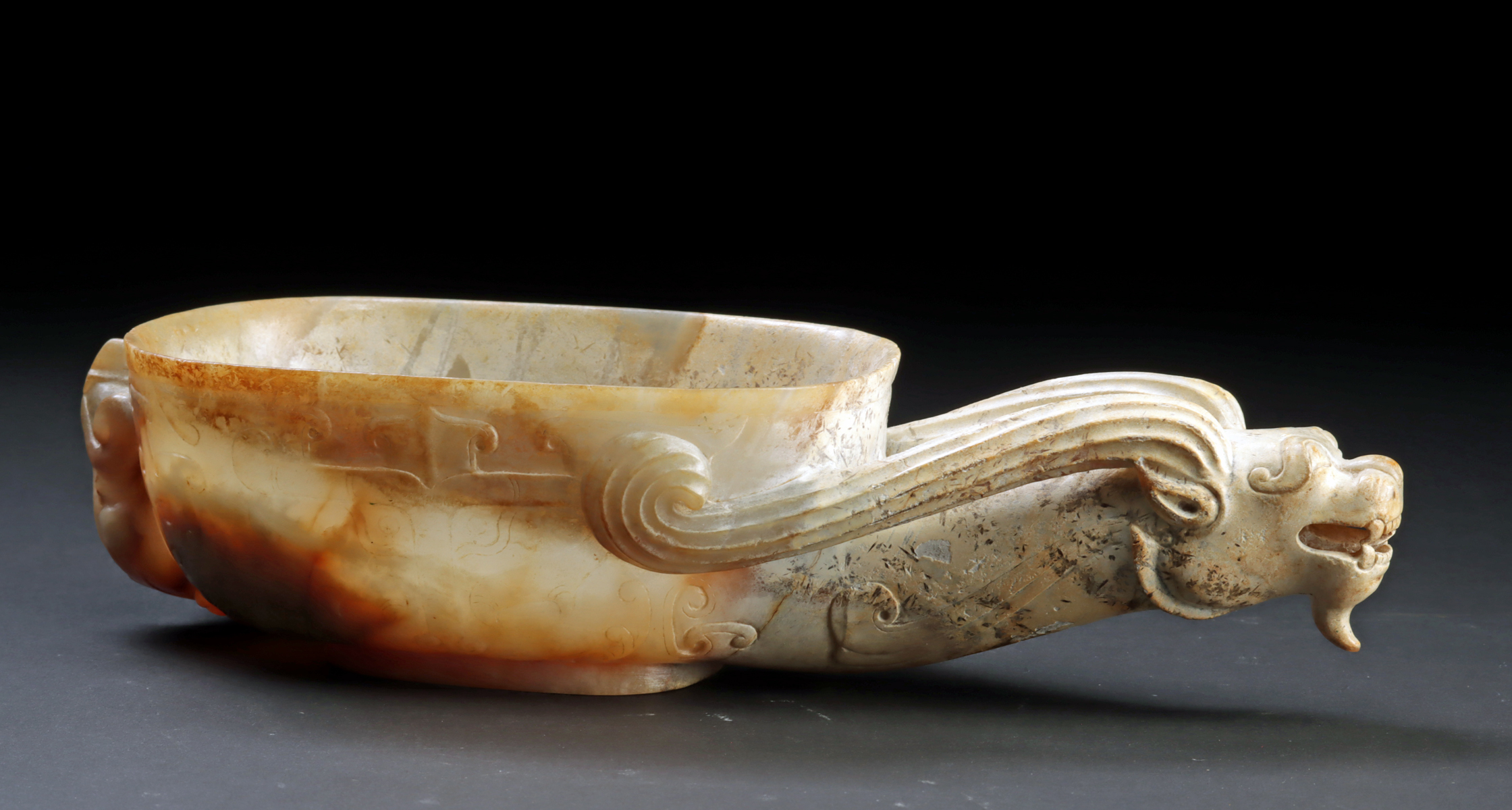
Chinese carved jade cup of elongated form, from the Warring States period, circa 475-to-221 BCE; a shallow, oval vessel worked from pale white jade. Museum-exhibited. Sold for $19,500
Highlights: A pair of circa 100-300 AD Royal Moche gold and mosaic ear ornaments, $82,500; and a large openwork Veraguas-Diquis gold pendant, $30,550
Artemis Fine Arts is a Colorado auction house known internationally as a premier authority in the field of ancient and ethnographic art, while Arte Primitivo is a New York City auction gallery that specializes in Pre-Columbian, African, ethnographic and ancient art. This collaboration unites decades of combined expertise from the highest echelon of the antiquities field.
“Our debut auction with Arte Primitivo attracted strong international participation and achieved excellent results across a wide range of collecting categories,” said Teresa Dodge, owner and executive director of Artemis Fine Arts. “The sale demonstrated continued demand among serious collectors for exceptional works, with competitive bidding and outstanding prices realized during both sessions.”
Day 1 featured 540 lots of fine Pre-Columbian, Native American, African, and Ethnographic Art. Day 2 contained 380 lots of Egyptian, Greek, Roman and Near Eastern antiquities, Asian art, fine arts and fossils. Including post-auction sales, the total sell-through rate was 82 percent. Nearly 100 new bidders registered to participate, and the sales lift achieved from running on four online-bidding platforms was 45 percent.
The aforementioned Royal Moche ear ornaments were composed of gold frames inlaid with colorful tessarae of gold, turquoise, Chilean lapis (sodalite), nephrite, jadeite and mother-of-pearl. The iconography on each was of a Moche lord or noble, facing in opposite directions and clad in full ceremonial regalia, all on a custom bronze base. These beautiful examples breezed past the $50,000 high estimate to bring $82,500.
Pre-Columbian objects were led by a large openwork Veraguas-Diquis gold pendant depicting a large central deity having a human body with a long openwork bird-of-prey hooked beak, wearing a fancy double-plumed headdress. The 4-inch by 4¼-inch pendant, from the region of southern Costa Rica to the border of Panama, dated to the Late Period V to VI, circa 700-1550 A.D. It changed hands for $30,550.
A lovely 11½-inch-tall seahorse vase by the Pueblo de Cochiti, NM artisan Victor Ortiz (b. 1969-) sold within estimate for $3,380. The large polychrome pottery vase was decorated with two opposing seahorses having long curled tails. The base was signed "Virgil Ortiz Cochiti Pueblo" in a fancy style, with the date "05." Ortiz's exquisite clay works are exhibited in museums worldwide.
An untitled Aboriginal (Yingapungapu – Burial Ground) bark painting from around 1972 by the Yolngu artist and activist Narritjin Maymuru (circa 1916–1981) realized $5,200. The work depicted one of the central ceremonial mortuary rituals of the Manggalili clan of the northeast Arnhem Land in Australia. At the center of the 67½-inch by 32½-inch rectangular eucalyptus bark painting was an oval burial ground sculpture known as yingapungapu – a form modeled in sand that was the focal point of the ceremony.
Other African objects included a Bakota “Ngulu” (or reliquary garden figure) of abstract figural form, carved of wood with a slender concave face covered with hammered brass alloy sheets in a cruciform background, with crescent-shaped applied eyes and a triangular nose. The 24½-inch-tall figure from the Democratic Republic of the Congo displayed a rich, dark brown matte patina and coasted to $7,800.
An Indus Valley (Mojeno Daro, India) blunt soapstone stamp seal from the Mature Harappan period, circa 2800-2500 B.C., 1¼ inches square, sold within estimate for $2,990. The stamp seal was inscribed with a profile of a bull before an altar. Above the image was an Indus inscription, a partly syllabic and partly transitional form of writing. Stamp seals were used as marks of ownership and badges of status.
A Viking-period iron dagger from Eastern Steppes in southern Europe, circa 9th-11th century A.D., 15¾ inches in length, nearly doubled the $1,500 high estimate by selling for $2,600. The long, forged iron dagger, having a long, tapered blade with blood ridges on both sides, featured a flared hilt, openwork hand grip, and an overall good rusted black surface patina.
An Egyptian New Kingdom to Late Dynasty granite block figure, circa 1550-736 B.C., 8 inches tall, found a new home for $10,000. The carved black with cream-speckled granite block statue, depicted a bearded figure wearing a large wig, his arms resting on his drawn-up knees. The head had nicely carved relief facial features and, overall, the piece showed excellent ancient surface quality and patina.
The Asian category was highlighted by a finely-carved, museum-exhibited Chinese jade cup of elongated form, from the Warring States period, circa-475-to-221 BCE. The shallow, oval vessel was worked from pale white jade with areas of warm russet and gray mottling, reflecting the refined jade-working traditions of the late Eastern Zhou period. The cup retired at a respectable $19,500.
The meticulously-curated two-day event was made available to bidders through Artemis Fine Arts’ dedicated online platform as well as Arte Primitivo’s established proprietary online bidding system.
Artemis Fine Arts and Arte Primitivo are already preparing for their next joint venture auction, slated for Thursday and Friday, June 11-12. Consignments with solid provenance are currently being accepted from the following categories: Pre-Columbian art; African and ethnographic art; Native American artifacts; fossils and natural history; and classical antiquities. The deadline for consignments is Thursday, April 30.
“As we assemble this upcoming joint sale, we are seeking select consignments of antiquities, ethnographic works and related items that would benefit from presentation to our international network of collectors and institutions,” Teresa Dodge said. “Our team would be more than happy to provide confidential evaluations and guidance on the best strategy for bringing works to market.”
To discuss consigning ancient art, antiquities or cultural relics to a future auction, call Teresa Dodge at 720-890-7700 or email teresa@artemisfinearts.com. All enquires are kept strictly confidential and there is never an obligation to consign. Visit Artemis Fine Arts online at www.artemisfinearts.com.
Teresa Dodge
Artemis Fine Arts
+1 720-890-7700
email us here
Legal Disclaimer:
EIN Presswire provides this news content "as is" without warranty of any kind. We do not accept any responsibility or liability for the accuracy, content, images, videos, licenses, completeness, legality, or reliability of the information contained in this article. If you have any complaints or copyright issues related to this article, kindly contact the author above.
